
Let's Talk About...Harem London
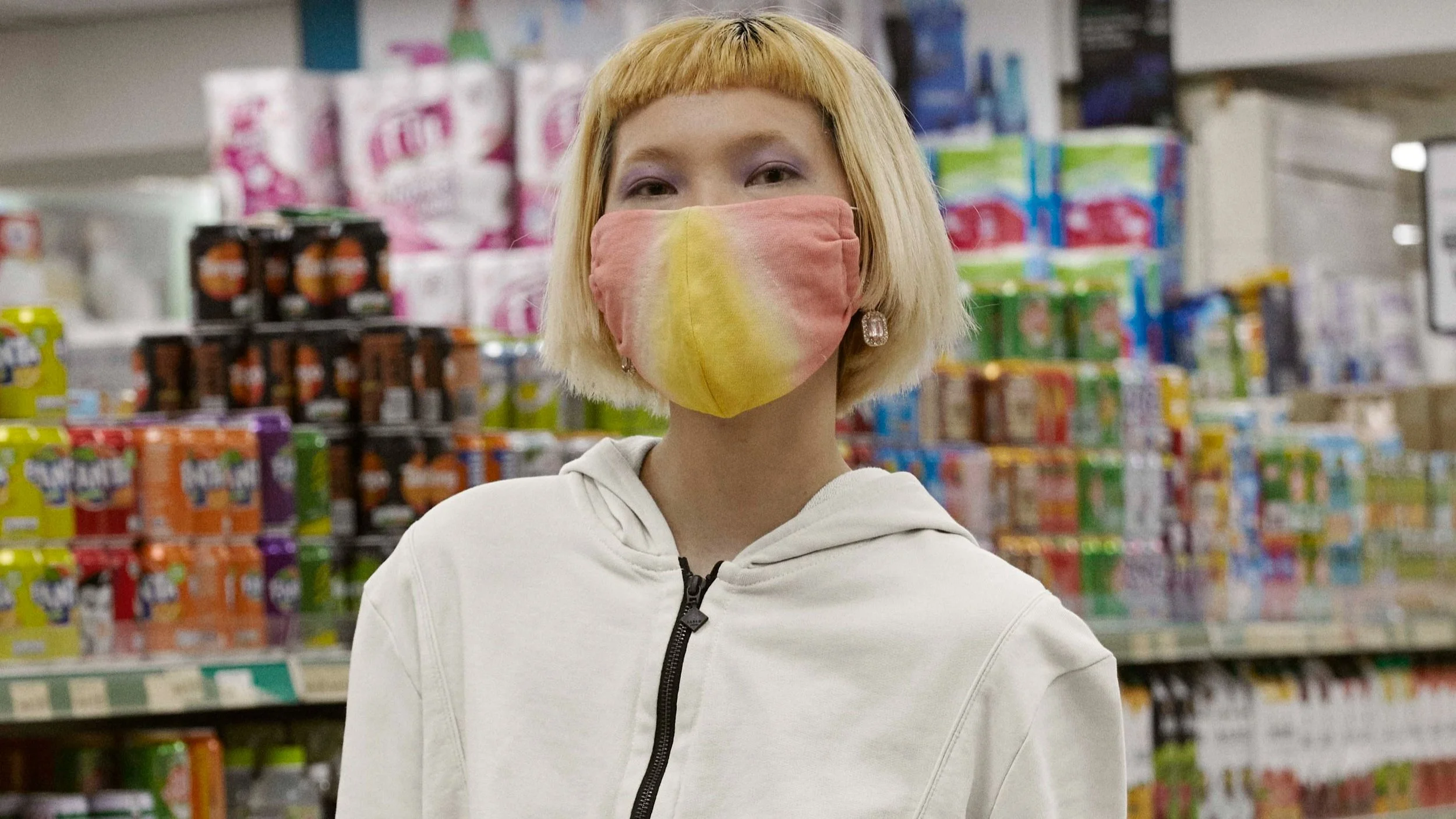
The Turkish-sister-double-act is taking the sustainability world of fashion by storm with their Harem London SS21 collection, which they presented at the digital London Fashion Week.
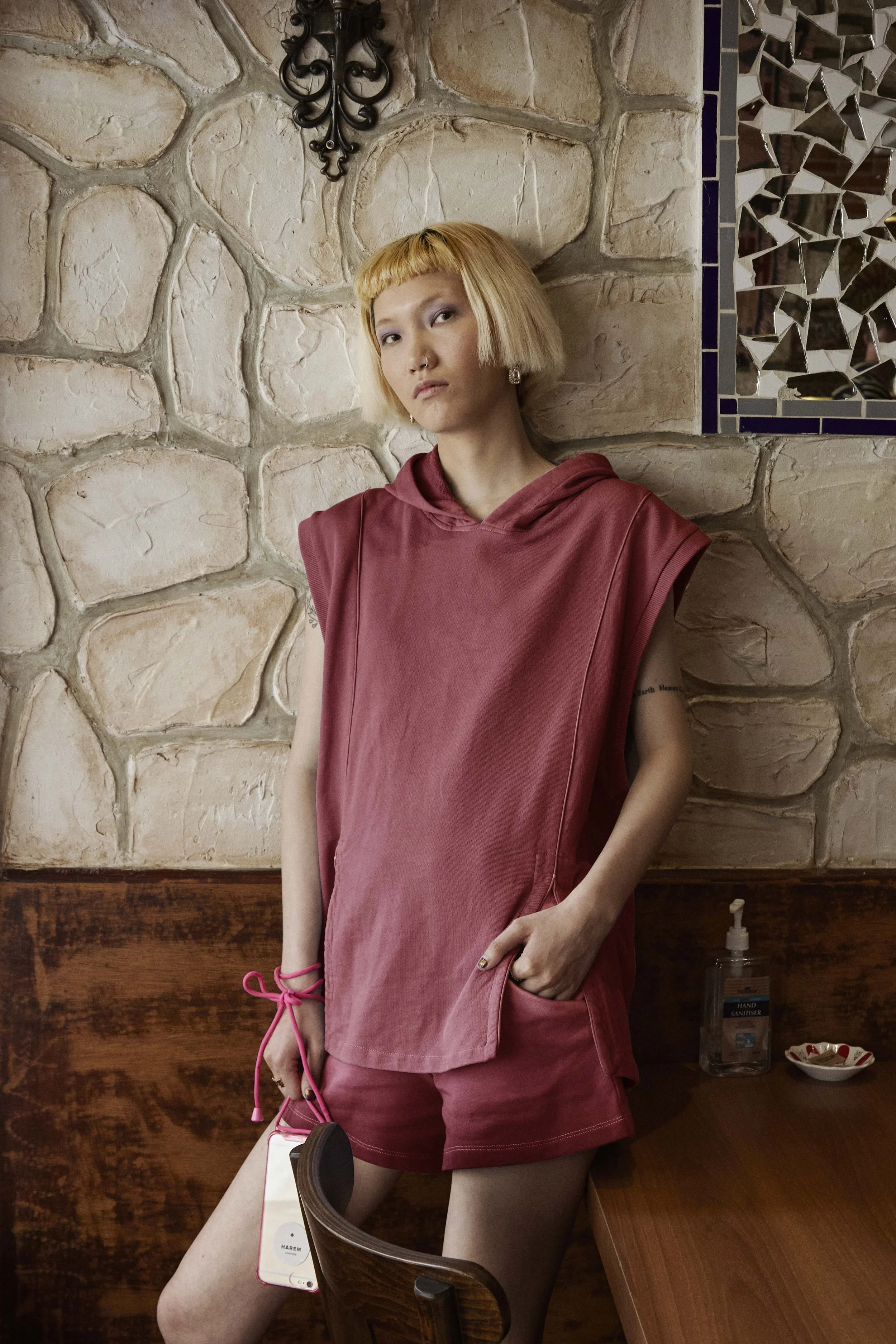
Merging cities of Istanbul and London, the streetwear brand changed up their style for the new season by dip-dying the entire collection by hand in their Dalston studio, allowing for a unique gradient for each piece. The spectrum of colours is hand-crafted from 100% organic and up-cycled materials from their previous collections.
Minimal – yet vibrant. The SS21 collection is a true ray of joy and comfort for the last few months. Taking their Turkish heritage with a contemporary London spin, the designs are a journey of growth through the lives of Harem London sisters.
Below, we speak to the design-duo, Dee and Begum Ozturk, about their heritage inspirations, the pressures of design, and the importance of sustainability for the future of the industry.
How has lockdown treated you both?
Dee Ozturk - In the beginning, it was difficult. When you produce something, you can't really do much at home, but then we got used to it. We try to be cautious at the studio and keep our distance. We’re getting this new system.
How was it designing an entirely new collection over lockdown? That must have been a challenge...
DO - That was difficult. As a designer of the collection, I always get my inspiration from the streets. So, whenever I feel like I have the designer's block, I would go out for a walk and be around people, get inspired by the amazing diversity in London. Whenever I wanted to create something new, I would travel back to Turkey; to my roots, and do some research, but obviously I couldn’t travel. Turkey has a huge history; it's made of seven parts, and each part has its own traditions. When I wasn't able to travel, that was very, very difficult. We were even considering maybe skipping this collection because we didn't know what the fashion scene is gonna be.
Begum Ozturk - We had a different kind of stress compared to the physical shows. This was the very first time that we're doing something very different. We wanted to do something different and bit more interactive, as our physical events are always very interactive, because of my sister's [Dee] theatre background. She always likes to get in touch with the clients and the audience.
DO - That's another thing whenever you have a live show, you can always improvise if stuff goes wrong. But when it's digital, you're very limited.
BO - Being a small brand, sometimes you have only one shot. And if there's a technical glitch in one person's video...
DO - It's not good for our reputation.
How do you feel about London Fashion Week being digital? Do you think or want it to continue even after the pandemic?
DO - This is interesting. I think there's a good side that London Fashion Week slowed down. But being able to do something live is a completely different feeling. I would much prefer having something live, where I can be present, explain, and answer questions. Every time we try to do something, we create an atmosphere of our environment, our habitat, where we share, but if it's digital, you use less of your senses. Where else if it's a live show - you can smell things, you can hear things, or you can touch things, see the texture. I think that's very important. So, I would love to go back to the live events.
BO - During the physical events, you can see people's faces and how they react, and you can talk to them. It’s really tricky. The advantages are that we can push ourselves to different levels. I think that the industry is out-dated, maybe there's a different world to discover now. But the priority now is obviously everyone's health.
DO - When you think about it, it doesn't have to be either one or the other - you can always mix the two aspects. That means being creative, I think. A good advantage of doing a digital thing is that you're able to reach a wider audience. So, there's pros and cons to both sides, I think.
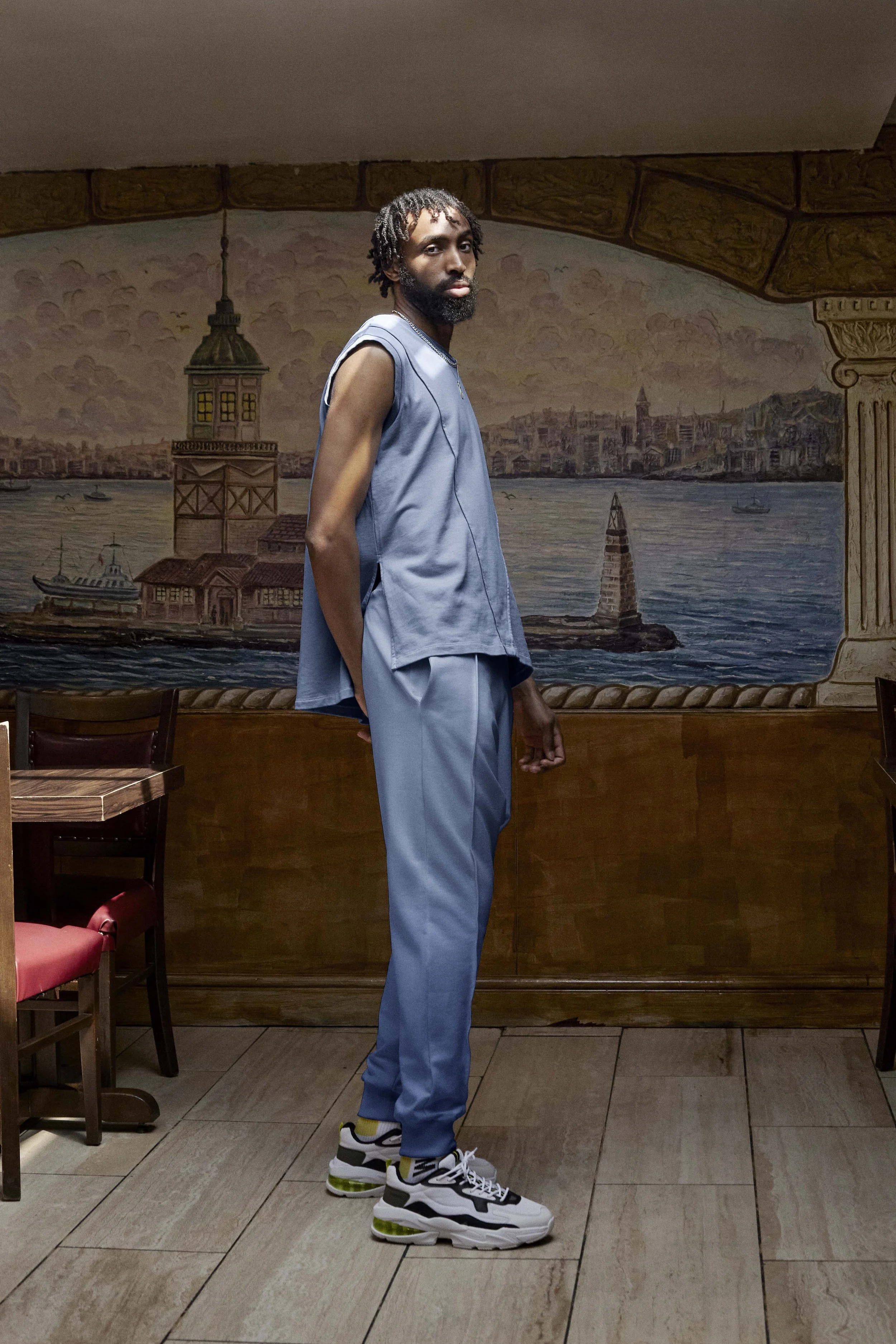
Images courtesy of Harem London SS21 campaign.
And do you think the pandemic will affect how we produce and consume fashion?
DO - Oh, 100% Yeah. There's the good side of our industry is that people have slowed down. I believe we were living super-fast and trying to shove everything on social media; show how active you are. There was this kind of greed before. We believe fashion is going to be more seasonless, and I really hope it will be. There's a very big pressure, even if you're a small brand, to create two seasons every year at least. I think this is gonna change. Absolutely, for small brands and big brands in the future.
BO – Now, the demand has fallen dramatically. People are buying less and being more environmentally friendly, which will make small brands like us more appreciated. We put so much effort and consideration into one item, a simple t-shirt. Also, I think seasonless would be great for the designers. The artists' biggest asset is their inspiration, and when you pressure them to deliver they get more stressed and lose their inspiration. I think seasonless is really great - for the sake of art.
DO - After this, everything will reduce, almost equalise [production-wise]. That's the advantage for small brands like us because you can't really compete with them. Once it's about sustainability and ethical producing, it gives me the enthusiasm to not quit and actually do more. I know, I will be appreciated more at one point.
One of your core values in your company is sustainability. What does sustainability mean to you? As a brand, and as a designer?
DO - Sustainability in terms of production, for us, it means there is no waste, as well as labour sustainability, for us, that's really important. We get our fabric from Turkey. We don’t buy factory-made fabric, but organic, ethically produced for us; there is no minimum order with our suppliers, which is also about supplier relationships. That's the side I think is also linked to sustainability - it's material and labour. The great thing is that we have control from the beginning of our production so we can see what's wasted, what's used, so we don't over-order, which also great for the environment. We always recycle and we upcycle.
That's really great. You have put a lot of emphasis on your Turkish heritage in your designs and brand. Do you incorporate any traditional Turkish techniques?
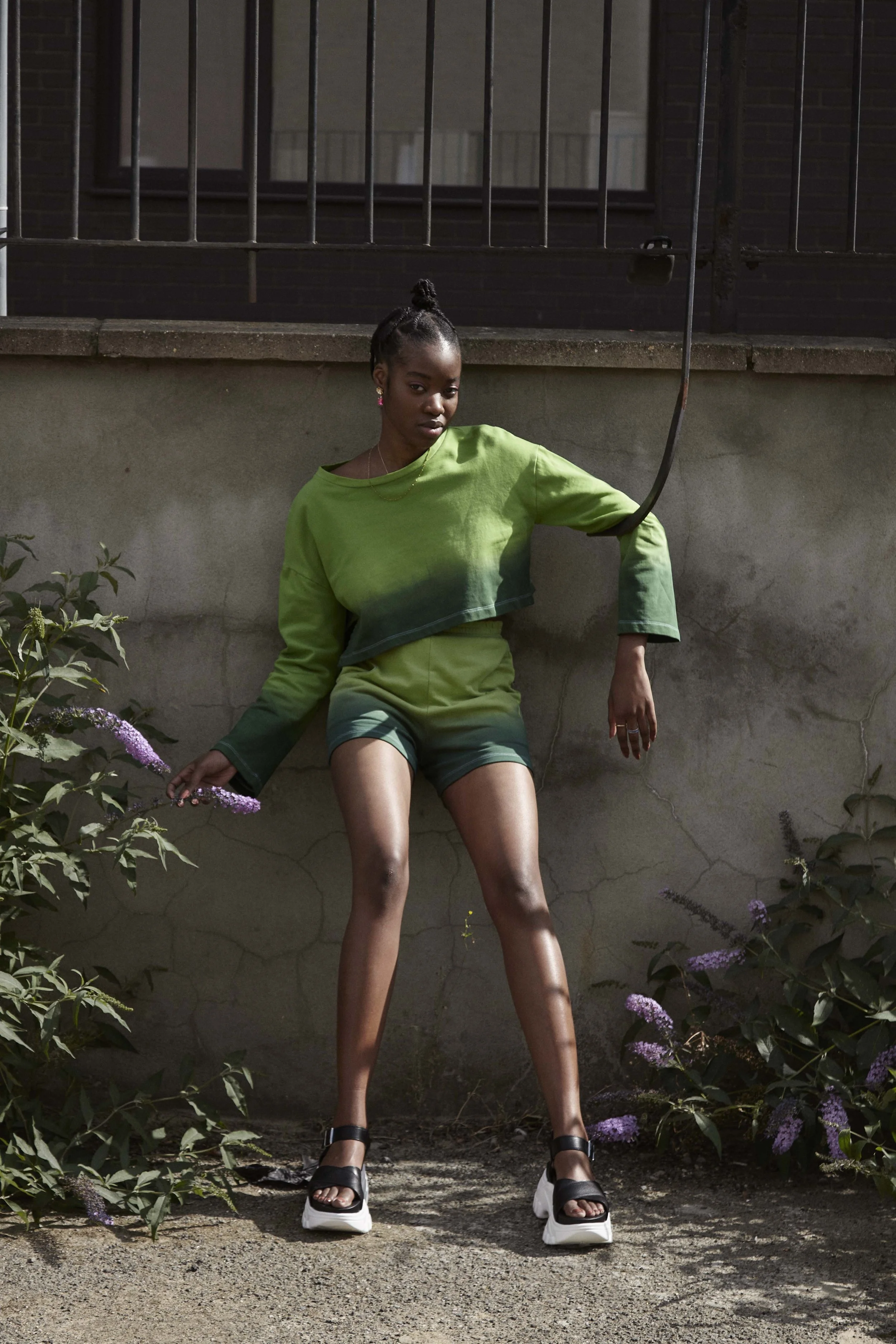
Image courtesy of Harem London SS21 campaign.
DO - I was planning to include more handcraft, like embroidery or different techniques of metal engraving, but obviously, I couldn’t travel. I usually get inspired by the cuts of the Turkish traditional designs, for example, in our AW20, we got inspired by carpet patterns, which holds so much meaning. I studied what every sign means, then we came up with a design of our own. The collection is going to be on our website in October. I don't want it to look like those super traditional brands, because half of our lives were in Istanbul and half is in London, we're a mix of the two. Neither of them is more than the other to me, weirdly. This cross-culture is also a core element for us. That's why we love diversity and the cross-culture fits between the two cultures that we come from. We like to interpret this in our designs.
As you said, your designs are a mix of London and Istanbul. Which aspects do you take from which city?
DO - I get the biggest inspiration at the starting point of the design from my own culture; my own life and where I was born, then I develop it away as I live in London now. It's like the development of my life, the grand parallel. I take the traditional aspects and make it into a more contemporary and modern version, so it's very variable. My starting point is always the heritage that I try to interpret to my today.
This collection, for the first time we did colours and the colour inspiration was Turkish as well. So again, the starting point is Turkish like the whole set started from colours.
I was about to mention the change of palette because everything you did in your past collections was black and white. What urged you to try the pop of colour?
DO - A few things actually. I think it all depends on the psychology of the designer. I always loved monochrome colour, I was never a colour person. During the pandemic, Begum suggested, "let's do something we've never done before, why don't we make it more positive this year". I started going back to my favourite movies, books, paintings - the obelisk paintings from Harem because I couldn't go [to Turkey]. I selected colours, and we tried it and everything we dyed inside our studio. This was Begum kicking in creatively!
BO - Ah thank you! [Laughs]
DO - We thought that we have time now, so let's take on this challenge.
Your Interactive lookbook is so unique and fun! How exactly does it work?
DO - This interactive book was an inspiration not for the next collection, actually. But this one is just for you to play with. Every garment will be individually dyed in one colour but it's gonna be available in all seven colours. We wanted to make something more playful, and we wanted to see the reaction of the people, to be honest. We turned it into more like artwork rather than the actual garment.
BO - You had to see the day we had to colour! It was really fun and funny at the same time. They had to do a lot of experimenting, lots of lots of buckets and lots of colours. It was really funny!
What are the factors you look for in when you're sourcing materials?
DO - Sustainability is very important. We never get anything factory-made, like ever. And we try to source from local manufacturers, both for fabric and for embroidery. It's always people that we know what they do; a family business, always local producers. I think that really shows in the material.
BO - It's really important for us to have a relationship with the supplier. All our suppliers, we know them in person, we've been to their factories, we go frequently. Sometimes we talk on WhatsApp with them. It's really important for us that they understand what we do, and they appreciate our work.
DO - We share the final product with them before we launch anything as well and they give us their feedback. We always try to have this special bond between our suppliers.
What do you think is the most effective way of promoting sustainable fashion?
BO - It's doing its own marketing, to be honest. Especially with the COVID situation, and with the environmentalists going - shouting really, they're not even protesting anymore, they're actually screaming. We must take care of this world, the environment, the climate change. Fashion is the second most polluting industry in the world at the moment, we have to make sure that we produce sustainably in order to make sure that we don't damage the climate anymore. I think people are already aware.
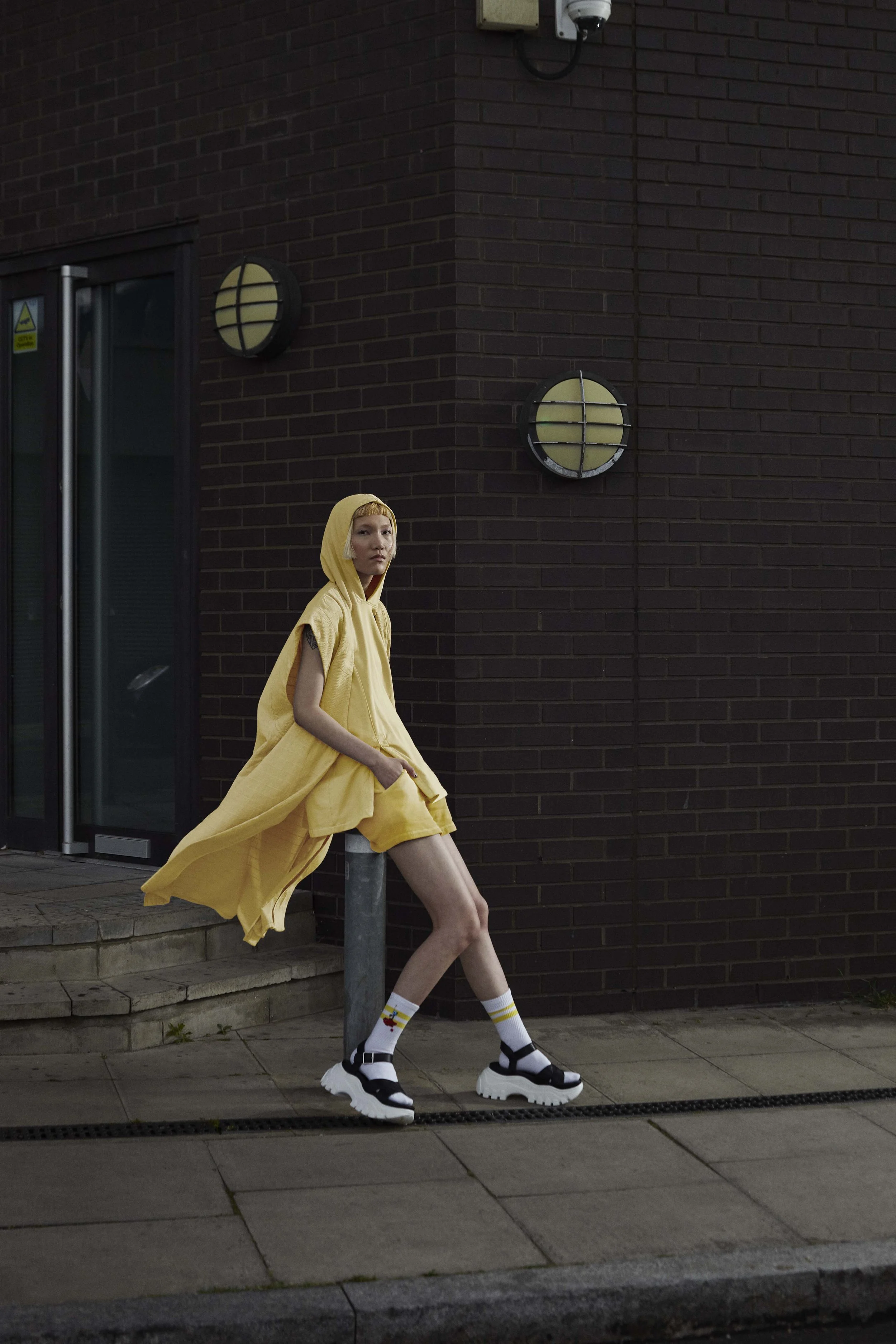
Images courtesy of Harem London SS21 campaign.
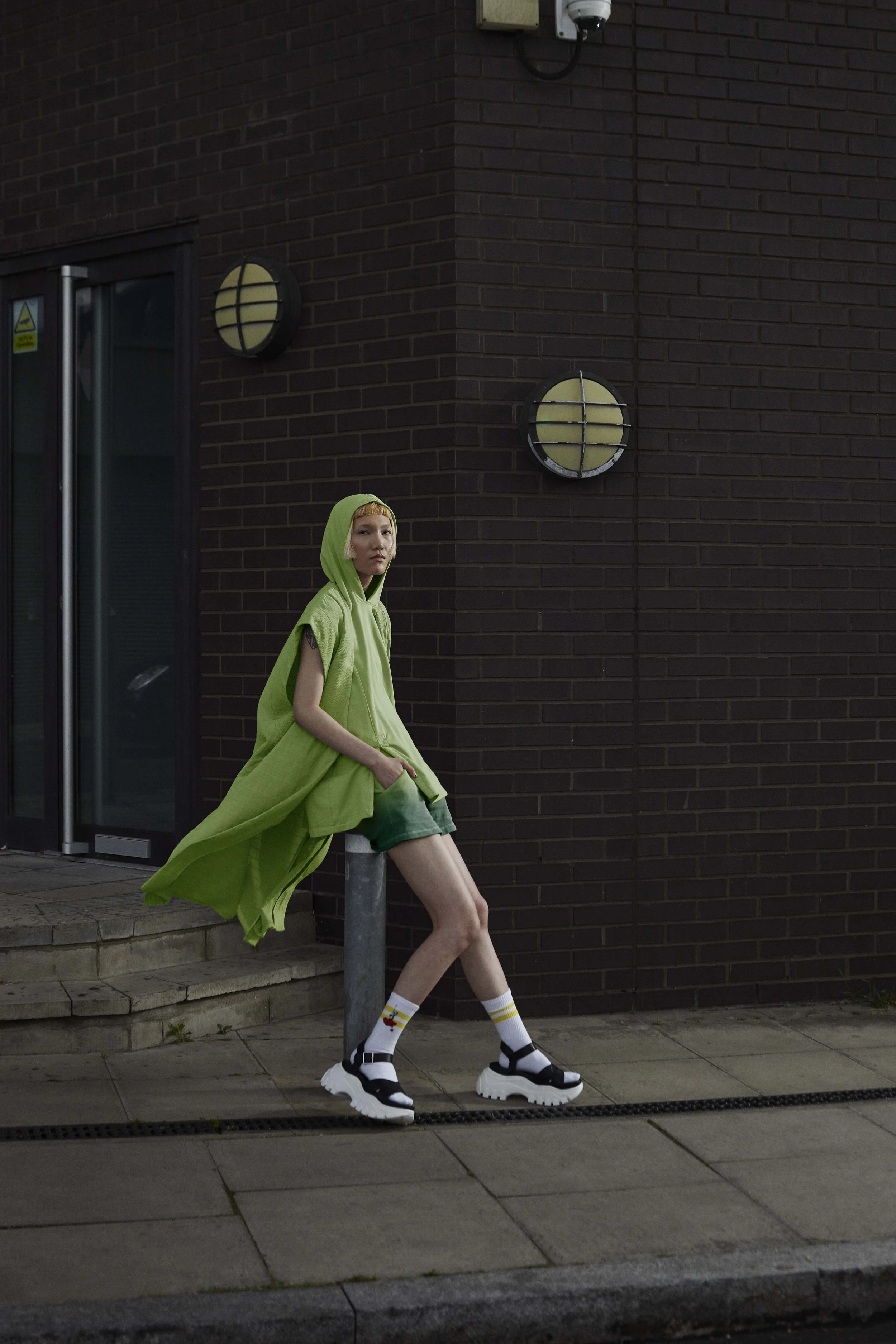
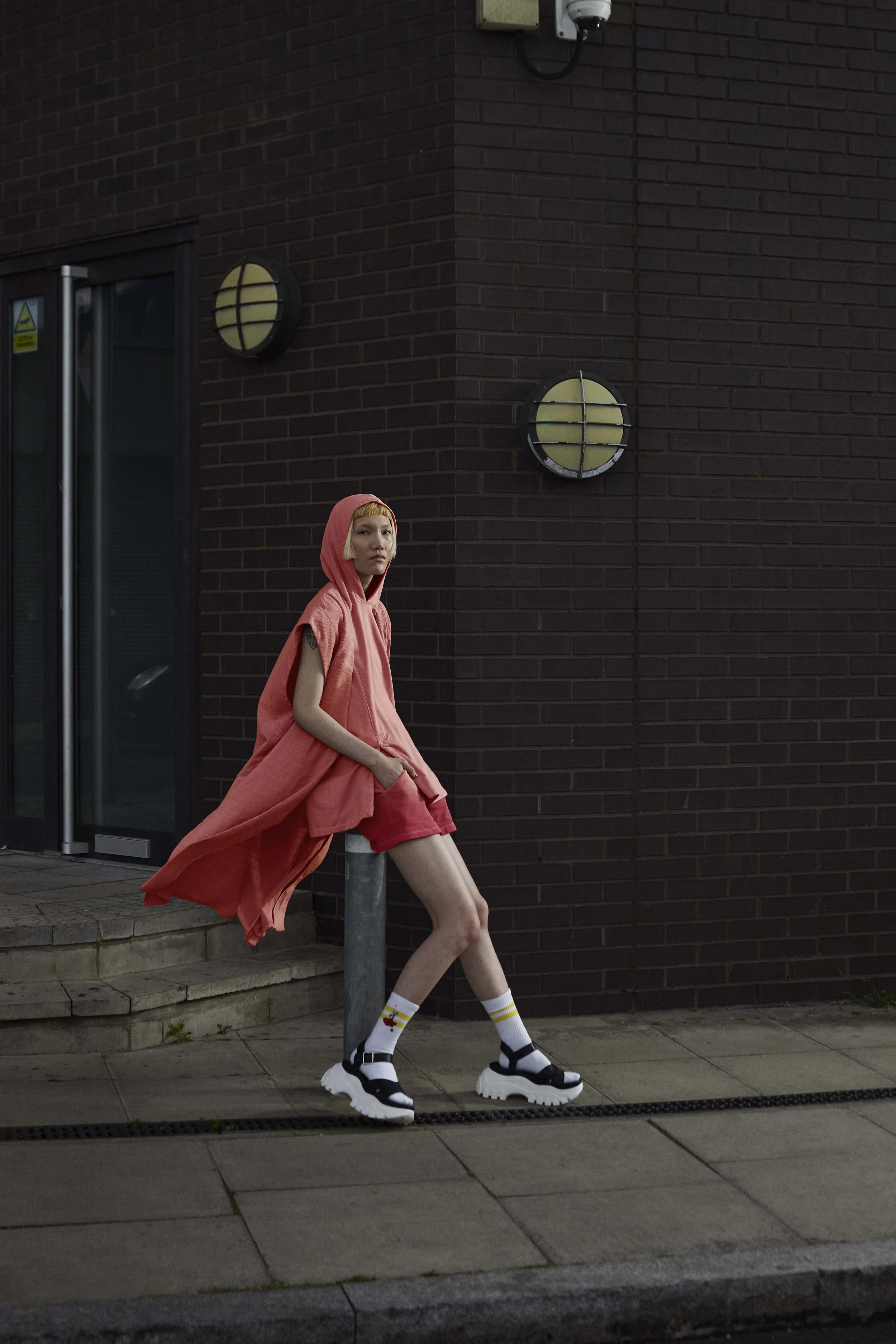
This year, especially. I've never seen so many designers doing sustainable collections.
DO - Yes! Even just in 2020. Designers who used to do mass production - small brands that we know as well, they started talking about sustainability. It's good to see them change.
BO - A couple of years ago, sustainability was the label of 'luxury branding'. However, now it's becoming more mass as well.
DO - More popular.
BO - I mean, it shouldn't be ‘popular’. It should be something timeless to stay in this industry. As you can see, with COVID especially, a lot of brands had to declare bankruptcy because the way they were doing it was too fast; huge mass production factories. They were so big and couldn't do it sustainably and ethically, so they just crumbled. To stay in this industry and to be honest to your own clients, I think you have to be sustainable. As you said, we see people using these words, just as marketing material. We would love to have you in our studio, you will see we have our own tables, we have our girls doing our stuff, and it's just really like a family - because our name is HAREM, which means family.
Can the future of fashion be truly sustainable?
DO - If we raise our children, the next generations, and the generations after that, and they are taught in a certain way - this has a bigger chance for fashion to be more sustainable. If we can defeat the consuming ideology, then maybe.
BO - I think there are two aspects to it - business-wise, during this capital economical system, it's impossible because of the supply and demand, and the demand is huge. The current system must change or adapt to become more sustainable. I did my Master's in consumer behaviour, and the consumer’s habits always change. For example, when you buy a new iPhone, at first, it's so difficult, isn't it? But then within two weeks, you get used to it. So, what I'm trying to say is that consumers, if they actually push themselves, and if they want to change, if sustainability becomes a habit to them, then it is possible. In the fashion industry now, all these brands, they are not sustainable. And they cannot be because they have a business plan, and their structure is completely based on the capital of them. To change that, it's really, really difficult. However, if the consumers demand this strongly, which, in my opinion, can happen in the next 20 years, then I think it is possible.
DO - I think that means education and being aware. We need to teach the new generations how this is affecting the climate and the people. Labour and production in countries like China are not humane. I think once people are aware, and if they teach their children, then in the future it might change, but it’s difficult to say. I really wish it would.
BO - It is difficult, financially as well. Some people cannot afford to buy sustainably - for a family with three children, it’s impossible! But for sustainable brands like us, we cannot be sustainable, ethical, and organic, and be cheap. The production costs are not like those mass-produced brands. So, I think it’s important for people to understand why these items may be a bit more expensive. Obviously, there are brands that are completely taking the piss, don’t get me wrong…
It’s about a system that has been going for decades, which simply isn’t working anymore. It is possible to change it, especially nowadays the small up-and-coming brands that are sustainable, when they become the ‘big’ brands they will try to keep sustainable practices. The new generation, our generation, is asking the right questions; about diversity, about inclusivity, environmental issues, climate change. These are the right questions and it shows a bright future ahead of us.
Check out Harem London’s new collection and interactive lookbook here.
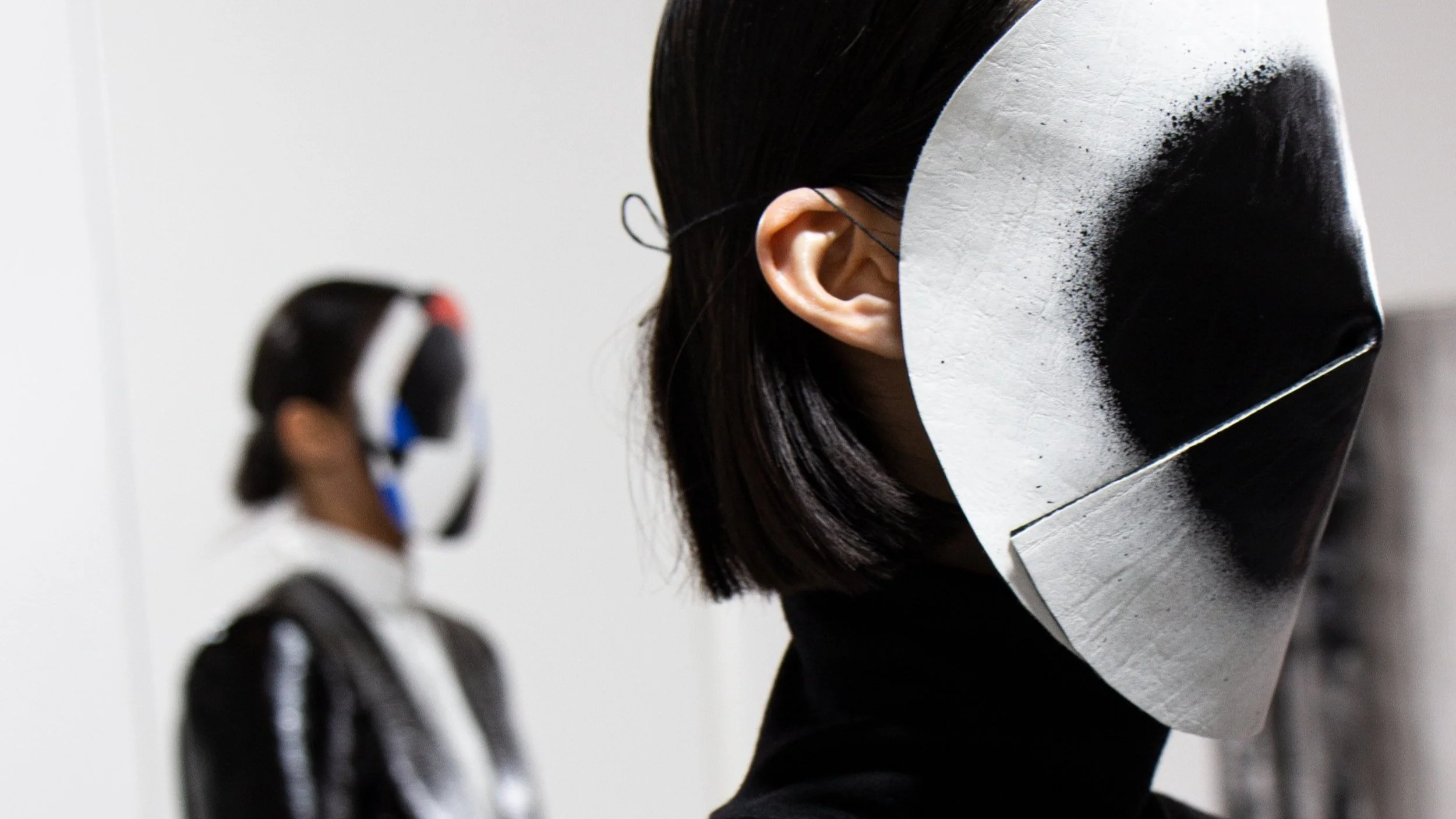
Going Beyond the Visuals with HanaCha Studio
Simplicity, theory, and artistic philosophy – HanaCha Studio has returned to London Fashion Week with her latest AW20 collection highlighting the minimalist label of abstract designs and patterns.
Hana Cha is an internationally recognised womenswear label, who gained attention after receiving the “Collection of the Year 2012” award from the V&A Museum. Currently residing in Seoul, South Korea, her pieces centralise around the concepts of “Art inspired fashion. Fashion becomes art”. The fused approach of art with fashion is her signature, but what sets her apart from other contemporary designers is Hana’s theoretical background “highlighting the quintessential identity” within her designs and sculptures.
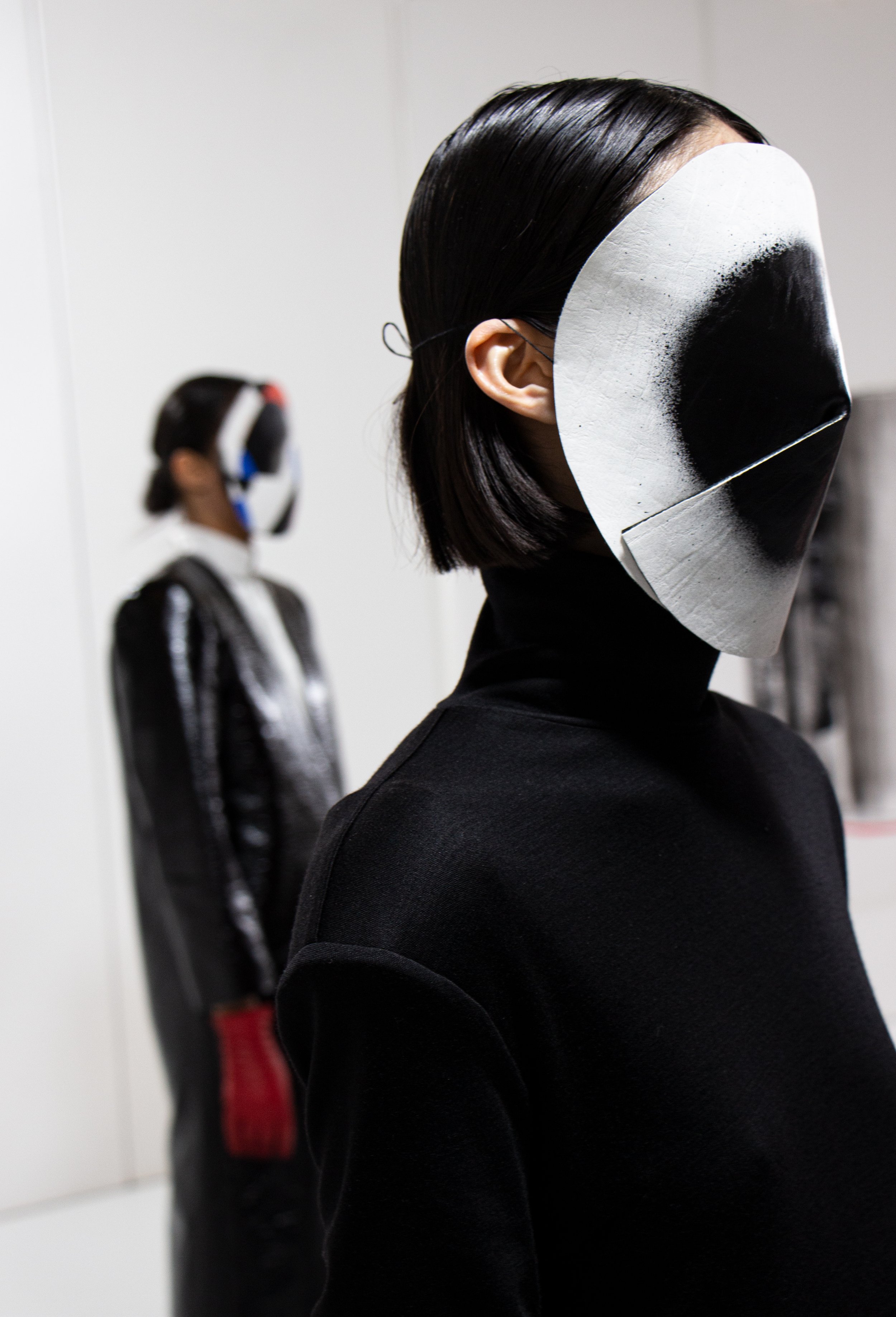
The ‘simplification’ and minimalization of intricate patterns and silhouettes, inspired by the works of Picasso and Bauhaus breathes through the entire AW20 collection. The collection may be considered as ‘artistic fashion’ – but they are the piece of art themselves.
With her exceptionally intellectual – yet innovative mind, we discover how the artist expands her academic approach, through simplification and manifestation of fabrics, into an abstract and sustainable fashion collection.

London Fashion Week, went digital this year for all the AW20 and SS21 collections. How do you feel about that? Do you want to continue or do you think it will pass the pandemic?
Oh, yes. I would like it to continue. It's weird, but somehow, I feel quite comfy. I don't need to pack all my luggage, no need to have my flight for 11 hours from Korea. So, it's come in handy in a way, I'm quite satisfied with how it turned out. But I do miss the atmosphere of Fashion Week. I can't get any feedback [of the show] right away. I don't know how it's going to be like, but it would be good to have it both ways; digital and the real Fashion Week - to harmonise them. I'm quite happy but I do miss my second city, London, a lot. I miss the autumn weather!
2020 has been quite tough on everyone. How did you deal with the pandemic, personally and creatively?
Yes, I must say that there were lots of differences before the pandemic. It's quite hard this season at the moment; personally, business-wise, in more creative ways. It's hard to broaden my perspective to it as it's different from previous situations. I wish it [the pandemic] could blow over, but I'm not sure it will be exactly the same as before. I think that we should keep these online platforms and digital things. I think it's kind of like our destiny.


Your brand is based in both cities, London and Seoul. Where are you the most time of the year?
I'm based in Seoul at the moment. But, I prefer to present my collections in London, but Seoul as well, because it's my home city. I'm going to have my digital Seoul Fashion Week next month. It's the very first time I’m presenting my collections in Seoul - which is exciting! I like to balance between London and Seoul, because I used to study in Seoul, and I got many experiences in London as well. So, I do like to have some good connections in both ways. That's what I've done so far.
You define yourself as an "interdisciplinary designer and researcher", which certainly comes out in your collections and your artwork. What inspired you for your latest collection?
The title for AW20 was "Assemblage", which is the three-dimensional collage from Picasso's sculptures. The style is Cubist which has simplified shapes, base and figures. I was inspired by that and wanted to reflect these elements in my collections. At this stage, it was art that inspired fashion. For the next stage, I was influenced by my collections for my artworks. It was simplifying the process which was inspired by Picasso's works and has links to Bauhaus' simplicity as well. So, for my collections, I extracted simplified figurations, like steamed lines, scales, and circles, and I just made them into a three-dimensional collage or a sculpture, so it's kind of both; fashion and art - that was the concept for the previous season [AW20].
I noticed that you have begun doing some handcrafted pieces recently.
I discovered these kinds of fabrications in 2012 when I was at the London College of Fashion. They are similar, in a way, in terms of simplified cuts. I made some paintings, which had two-dimensional brush strokes. I extracted this concept and it became those tiny, fluffy, three-dimensional, fringe brush strokes. This is kind of like my symbol, I'd like to say that. I've been sticking my signature as my identity for these collections.
Amazing. And what usually fuels you creatively?
Obviously, because I've been doing quite similar things, I know what I'd like to do as a clue for my designs, aesthetically speaking. I'm always into art pieces or paintings. It's quite a specific period, from Cubism until Bauhaus, which is right before modernism. Whenever I'm going to galleries or the department store - if I see something elective, I just capture it and try to remember where it was, so that I can use it for my collections or artwork. This is what I've always done. I also like reading books - well, I like the shape of books! I like spending time at the library. Last season, when I was in Paris, and I found some very, very fancy bookstores, like antique books. I was so inspired! I wanted to fill my whole studio with all kinds of books, so that's why I have so many of them behind me!
Do you have a favourite piece from your collection?
I believe the strength of my collection, is the long-fringed coat. The shape is quite strong, but it's also very simple and minimal-line, so it can be masculine, but I do like to add some femininity as well - creating a balance.
You've also mentioned the aspect of "seasonless" in your LFW promo-video. Do you believe that the traditional fashion shows are at an end and that "timeless" collections are the future of fashion?
I think it'll be changing the fashion industry, as fashion is always keen on trends. Fashion goes so fast - we must find a trend that is more sustainable. This is a global issue, regardless of fashion; its science, economy, societies. It’s a very crucial keyword for the future. We haven't got the right answer at the moment but I think we have to chase the answer for the future, and I think fashion can be a clue to this.
One of your main values is 'slow fashion' and 'sustainability'. What does sustainability mean to you and how important is it to the future of the industry?
Sustainability, and craftsmanship, in particular, is very important to me - it the basis for all my projects and collections.
When sourcing your materials for new collections and artwork, what factors are most important to you?
I mostly look out for shapes and composition of the material - and always black & white.
South Korea is the home of fast-fashion production. Do you believe that this could soon change/do you see any change now?
South Korea is very accustomed to IT and technology - everyone is swiping and scrolling non-stop on their phones or other devices. Everyone is also very fashionable and social media influencers are very popular. But because of this, the turnover of garments is so fast - trends do not stay for a very long time. Possibly, if the change was related to technology in some way, the people would follow the 'new trend' of sustainability.
What do you think is the most effective way to promote fashion sustainability?
Big brands and social media influencers hold the most power with the promotion of any product or ideology. They are the ones who hold the biggest following and influence over what happens in fashion; the trends, the politics, and it’s future. But we also need the education; from universities and businesses, from every corner of the fashion society. Their issues of sustainability are getting crucial, but it is a process. Hopefully, we can have something for the future. I’m going to keep doing it.
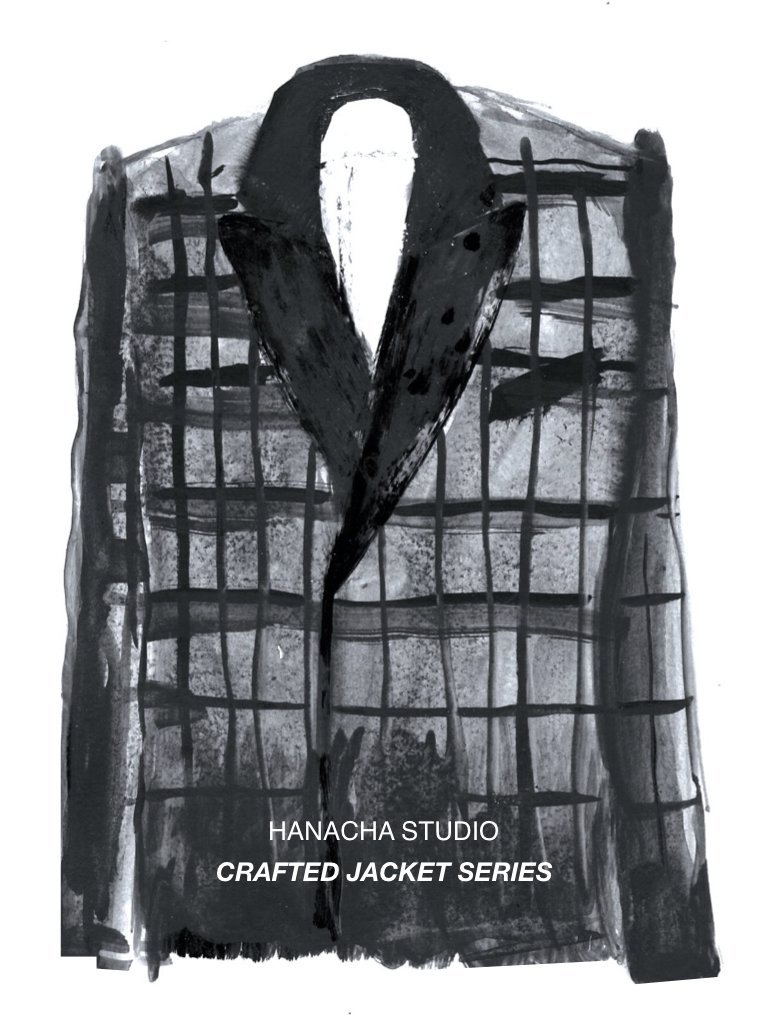
Thank you to HanaCha Studio for speaking with us and for providing the visuals.